
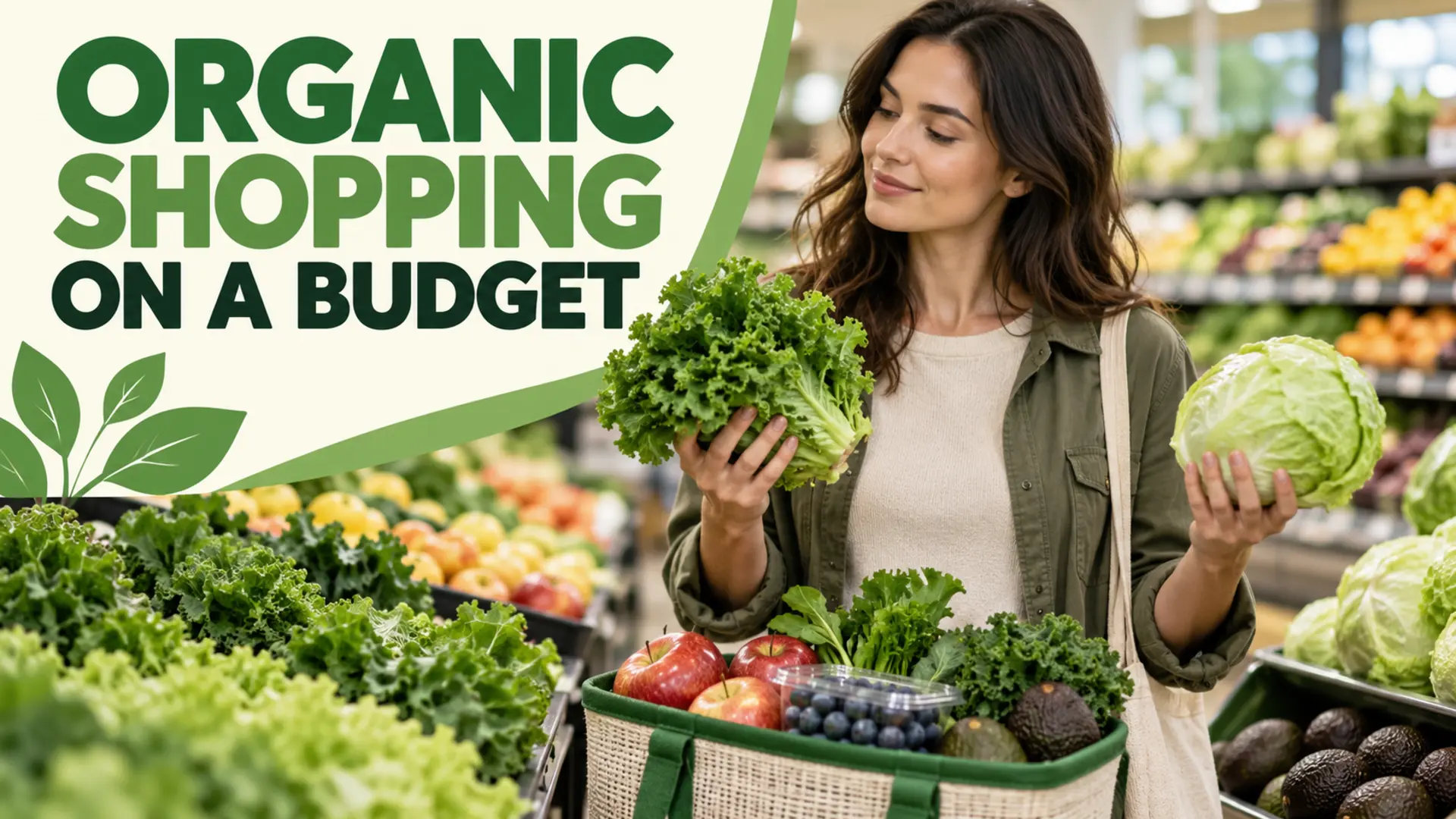
Organic shopping on a budget does not require buying every food with an organic label. Organic and conventional produce can both be part of a varied diet. Use local prices, availability, household priorities and credible regulatory information to decide where any premium is worthwhile.
Organic shopping on a budget starts with priorities
- Buy produce your household will actually eat.
- Compare unit prices and edible yield, not just package price.
- Choose seasonal or frozen options when they offer better value.
- Limit waste by planning meals before buying larger quantities.
Our guide to one-stop shopping versus specialty stores can help you account for travel, availability and total cost.
Use annual produce lists carefully
“Dirty Dozen” and “Clean Fifteen” lists are produced by an advocacy organization from US residue data; they are not universal safety rankings and can change each year. Residue detection does not by itself establish health risk, and thick skins do not guarantee that a crop has no residues. Check current advice from your own food-safety regulator.
Compare organic and conventional choices
Prioritize organic products if the farming standard matters to you and the price fits your budget. Otherwise, conventional fruit and vegetables remain useful choices. Organic certification also does not mean pesticide-free, locally grown or nutritionally superior in every case.
Wash produce safely
Wash fresh produce under clean running water and follow local guidance. Soap, bleach and unverified produce-wash recipes are unnecessary and may create new risks. Remove damaged areas and keep washed produce away from raw meat and unclean surfaces.
More ways to control cost
- Compare loose produce with multipacks.
- Use frozen vegetables and fruit when suitable.
- Plan meals around what is already in the pantry.
- Check whether a market, supermarket or cooperative offers better total value.
For a repeatable price-check method, use the balanced grocery-list guide.
A balanced conclusion
The best approach to organic shopping on a budget is flexible: buy a varied mix you can afford, avoid fear-based rules and use current local evidence when deciding whether organic certification is worth the extra cost.