
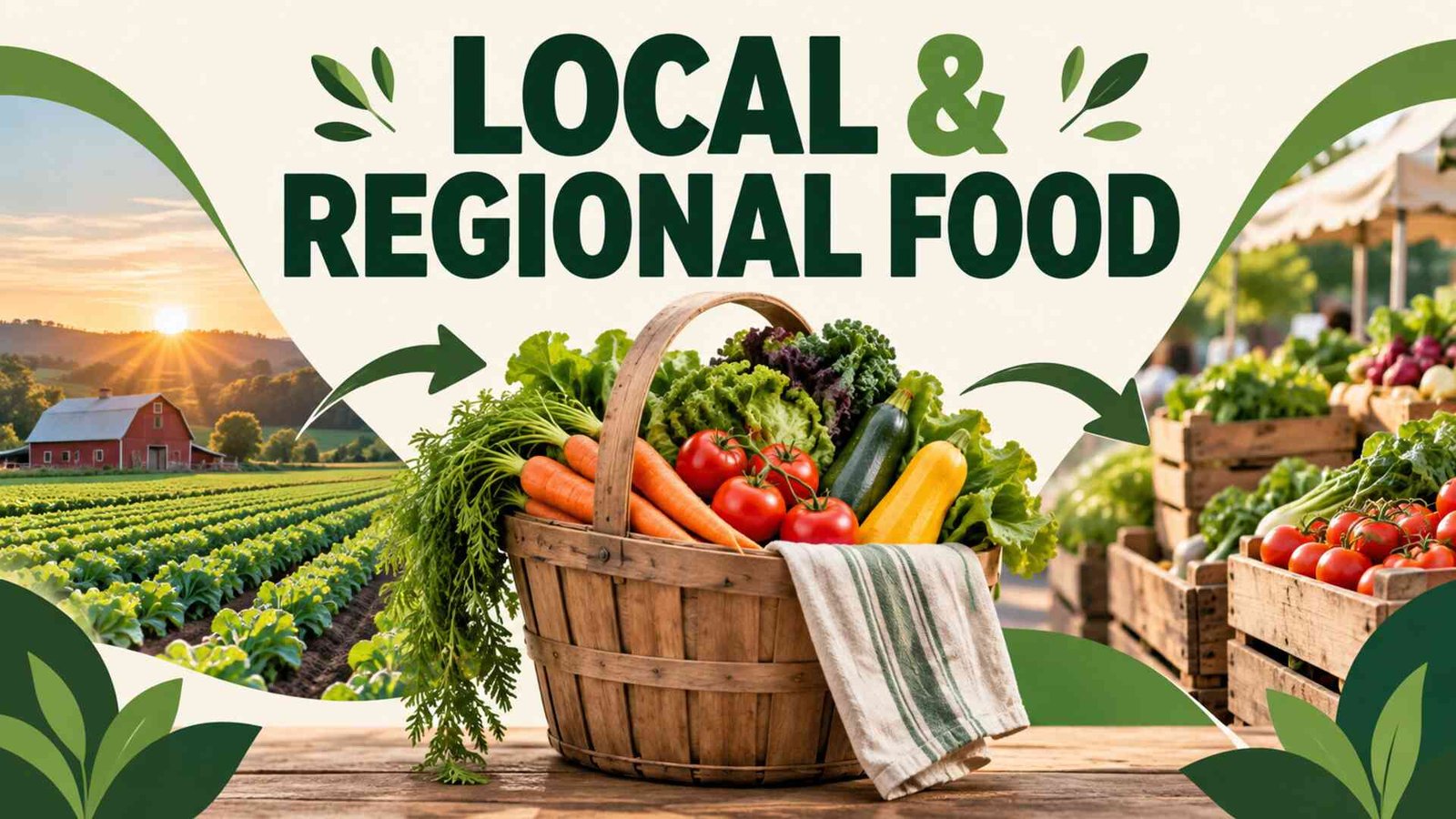
Buying local and regional food can connect shoppers with nearby producers, but distance alone does not determine freshness, value or environmental impact. Use clear origin information and practical household needs to guide purchases.
Where to find local and regional food
- Farmers markets and farm shops
- Community-supported agriculture programs
- Food cooperatives and independent retailers
- Supermarkets that identify farms or production regions
- Seasonal pick-your-own operations where available
Ask what “local” means
Definitions vary by retailer and jurisdiction. Look for a named farm, region or country of origin, and ask how the seller defines the term. A marketing sign alone may not provide enough detail.
Compare more than distance
Production method, season, transport type, storage, packaging and food waste can all affect a product’s overall impact. Local products are not automatically organic, cheaper, recently harvested or lower-emission.
Buy quantities you can use
A farm share or bulk box offers value only when its contents suit your household. Review pickup schedules, substitutions, storage space and cancellation terms before committing. Use the farmers market shopping guide and seasonal produce calendar to plan.
Build a flexible sourcing mix
Local and regional food can complement imports, frozen produce and shelf-stable staples. A varied supply may be more affordable and resilient than a rigid mileage target.
Focus on transparent choices
Choose foods that fit your budget, preferences and storage capacity, and favour sellers who provide specific, verifiable sourcing information.