
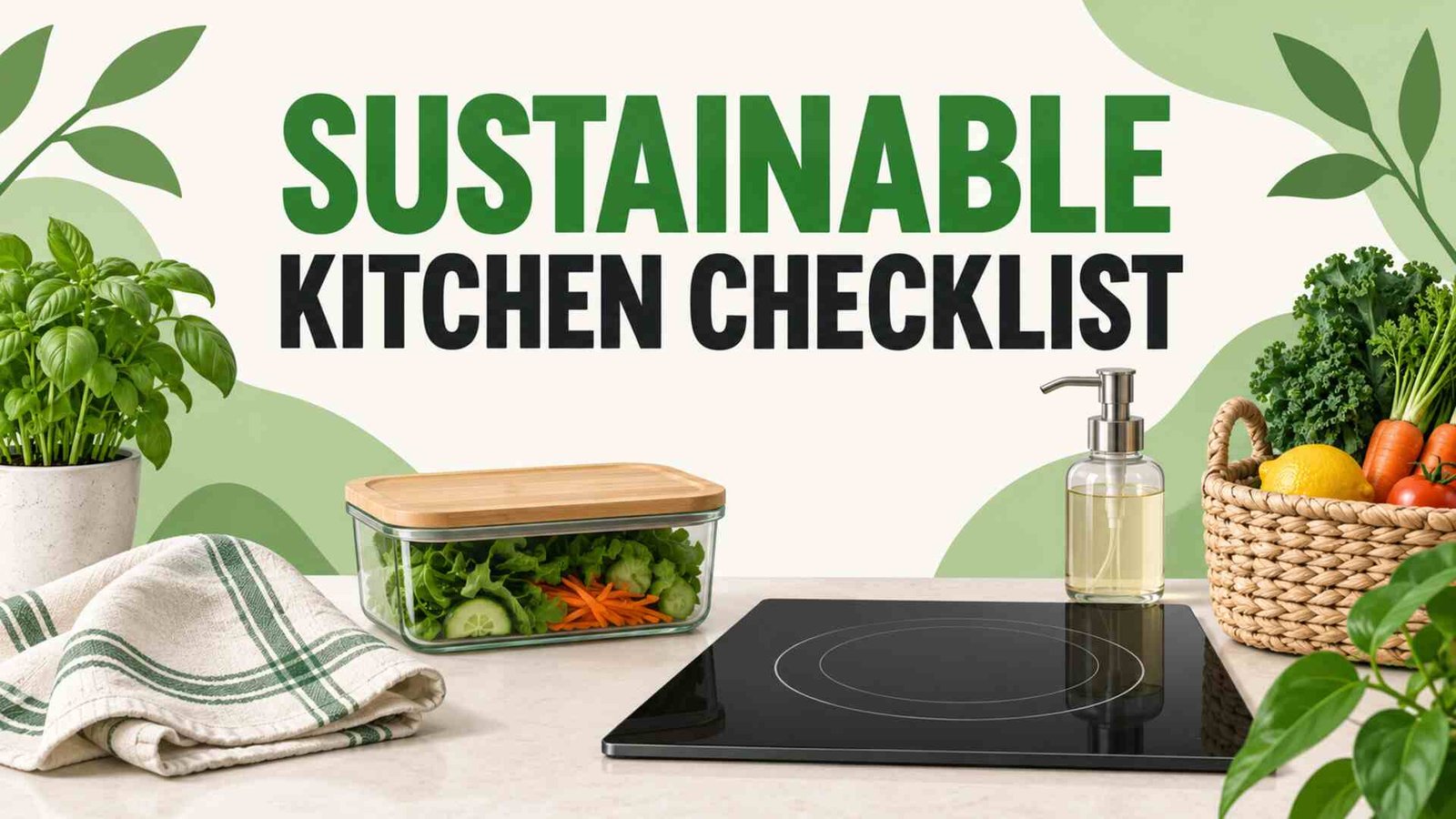
Cooking for one without waste works best when shopping, portions and leftovers remain flexible. Instead of following a rigid plan, choose ingredients that can appear in several meals and buy amounts that match your appetite, schedule and storage space.
Plan cooking for one without waste
- Check the refrigerator, freezer and pantry before making a list.
- Choose a few versatile ingredients rather than a different set for every recipe.
- Buy loose produce or smaller packages when the unit price and quality make sense.
- Keep one backup meal for days when plans change.
A quick weekly refrigerator audit helps surface suitable food before it is forgotten.
Build flexible single-person meals
Use a simple mix-and-match format: a grain or other starch, a protein food, vegetables and a sauce or seasoning. Cook only what you want now, or intentionally prepare extra portions for another meal. Ingredient overlap can turn roasted vegetables into a grain bowl, soup or omelette without making every meal identical.
Handle leftovers safely
Cool and refrigerate or freeze suitable leftovers promptly according to local food-safety guidance. Label containers and reheat food appropriately. When several small amounts need using, the end-of-week soup routine offers a flexible framework, provided every ingredient is still safe.
Keep the routine realistic
Cooking for one without waste does not require perfect portions. Review what was left each week, adjust the next shop and discard food that shows spoilage or has been handled unsafely.