A practical pescatarian grocery prep guide starts with a small amount of seafood you can handle safely, plenty of produce, flexible grains and dependable plant proteins. The aim is not to buy every type of fish at once. It is to create a short list whose ingredients overlap across several meals while matching your household, budget and local availability.
Pescatarian eating usually excludes meat and poultry while including seafood; some people also eat eggs and dairy. Choose the version that suits you, and check labels when allergies or other dietary restrictions matter.
Build a Pescatarian Grocery Prep Guide Around Your Week
Before shopping, check your refrigerator, freezer and pantry. Then choose two or three main meals and decide which ingredients can appear more than once. A grain, two vegetable groups, one sauce and a mix of seafood and plant proteins are often enough to create variety without an oversized list.
- Seafood: choose fresh, frozen or canned options according to when you will cook them.
- Plant proteins: beans, lentils, chickpeas, tofu or edamame can cover meals when seafood is not planned.
- Vegetables: combine tender produce for early meals with sturdier or frozen vegetables for later.
- Grains or starches: rice, barley, couscous, pasta, tortillas or potatoes can support several flavour profiles.
- Finishing ingredients: citrus, herbs, yoghurt or a suitable alternative, olives, seeds and sauces help repeated components feel different.
Choose Fresh, Frozen and Canned Seafood Deliberately
Fresh seafood
Buy fresh seafood only when you have a clear cooking plan. It should smell mild rather than strongly fishy, and refrigerated displays should keep it properly chilled. Storage time varies by product and packaging, so follow the label and local food-safety guidance instead of relying on a universal number of days.
Frozen seafood
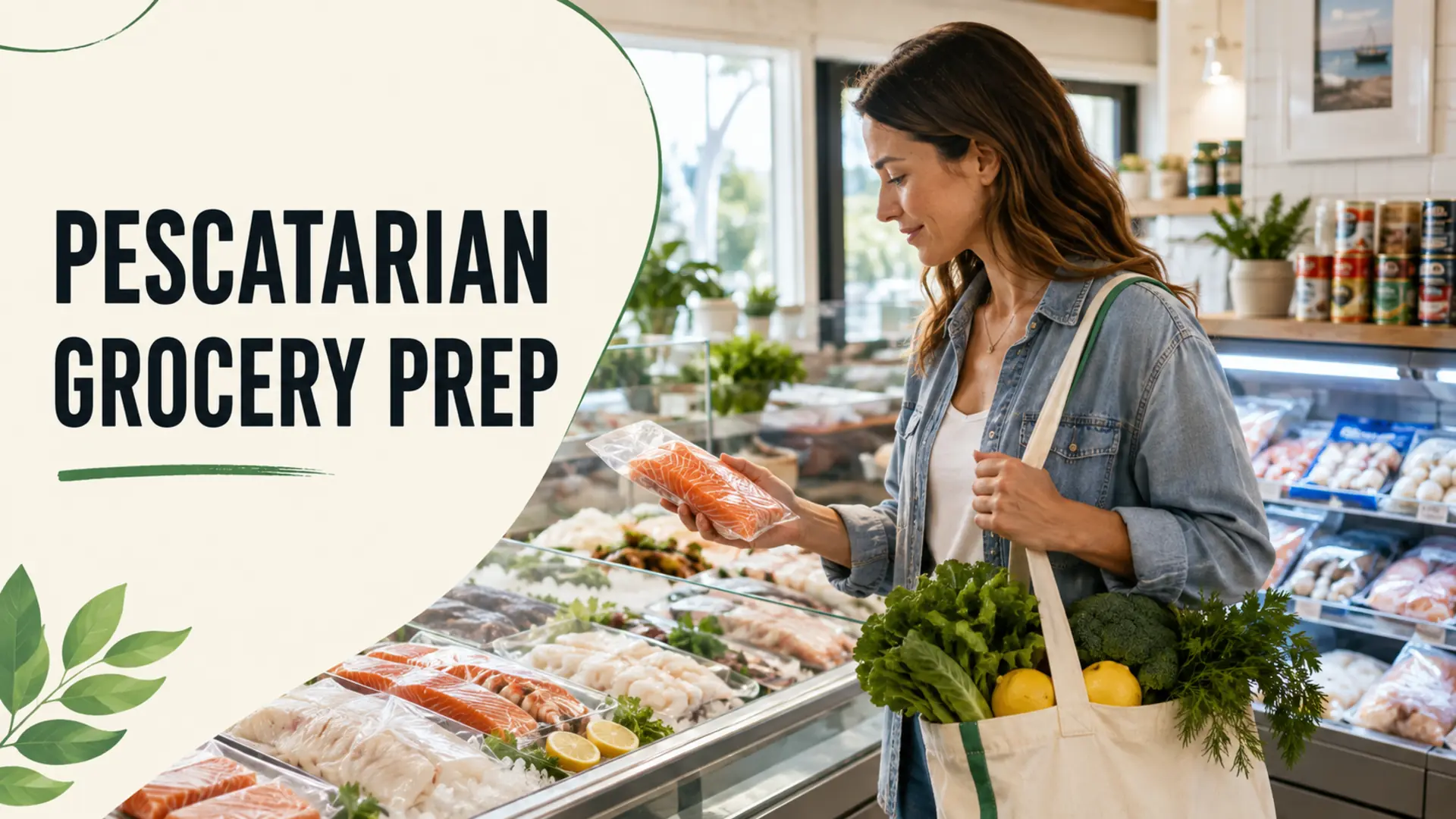
Frozen fillets and shellfish make timing more flexible and can reduce pressure to cook everything immediately. According to the FDA seafood-selection guide, packages should be intact and the product should be hard-frozen; heavy frost or ice crystals may indicate long storage or thawing and refreezing. Follow package directions for thawing, especially for vacuum-packed seafood.
Canned and shelf-stable seafood
Tuna, salmon, sardines and other canned seafood can anchor quick lunches and backup dinners. Compare serving size, sodium, oil or water packing, and any relevant sustainability information. Advice about species and frequency can vary for children, pregnancy and local contamination risks, so consult the health guidance that applies where you live.
Plan Produce by Use Order
Use delicate leaves, ripe tomatoes and fresh herbs earlier, then rely on cabbage, carrots, broccoli, squash or frozen vegetables later. This is a planning sequence, not a shelf-life guarantee. Condition at purchase, refrigerator temperature and preparation all affect quality.
Wash produce under running water before cutting or eating it, and keep raw seafood and its utensils separate from ready-to-eat foods. The salad-prep guide has additional advice for drying greens and storing wet ingredients separately.
A Flexible Pescatarian Shopping List
Seafood and protein options
- One fresh seafood choice for an early meal
- One frozen seafood choice for later in the week
- One or two canned seafood options
- Beans, lentils, chickpeas, tofu, edamame or eggs, if included
Produce
- Leafy greens or salad vegetables
- Two vegetables suited to roasting, steaming or stir-frying
- One sturdy vegetable for later meals
- Frozen vegetables for a reliable backup
- Lemons or limes, plus herbs or aromatics
Grains, pantry items and flavour
- Rice, pasta, couscous, barley, quinoa, bread or tortillas
- Tomatoes, broth or a familiar sauce
- Olive oil or another suitable cooking fat
- Garlic, onions and preferred spices
- Nuts, seeds, olives, yoghurt, cheese or suitable alternatives
Five Adaptable Meal Ideas
- Sheet-pan fish and vegetables: pair a suitable fillet with potatoes and vegetables, using a tested recipe for timing. See the five-ingredient sheet-pan formula for a focused list.
- Fish, bean and tomato skillet: combine cooked seafood with white beans, tomatoes and greens while avoiding overcooking the fish.
- Shrimp or tofu grain bowl: add vegetables, a grain and a citrus-herb dressing.
- Canned salmon or chickpea patties: serve with slaw, greens or roasted vegetables.
- Bean and sweet-potato tacos: make one seafood-free meal from the same vegetables, herbs and sauce.
Prep Components Without Sacrificing Safety
Prepare ingredients in an order that limits cross-contact. Wash produce first, then use clean equipment for seafood. Cook grains and roast sturdy vegetables in batches, but cool cooked food promptly in shallow containers. Keep dressings and crisp toppings separate until serving.
Thaw seafood in the refrigerator or use another method specifically recommended by the package or a trusted food-safety authority; never leave it on the counter. Cook seafood to safe doneness and refrigerate leftovers promptly. Use the current FoodSafety.gov temperature chart and cold-storage chart for specific guidance.
Organize the Store Trip
Group the list by produce, pantry, refrigerated, seafood and frozen sections. Pick up chilled and frozen items near the end of the trip, take them home promptly and use an insulated bag when travel time or weather makes temperature control difficult. The site’s guide to organizing a shopping list by aisle can help shorten backtracking.
Make the Plan Fit Your Household
Adjust quantities to the number of people and the meals they will actually eat. If seafood is expensive or unfamiliar, use it for fewer meals and lean more heavily on beans, lentils and tofu. Choose species available in your market instead of treating wild, organic or premium labels as universal requirements.
For a dependable weekly routine, start with one seafood meal, one frozen option and one plant-based meal. Review what remained at the end of the week, then refine the next pescatarian grocery prep guide. A smaller repeatable plan is more useful than an ambitious list that creates waste.