
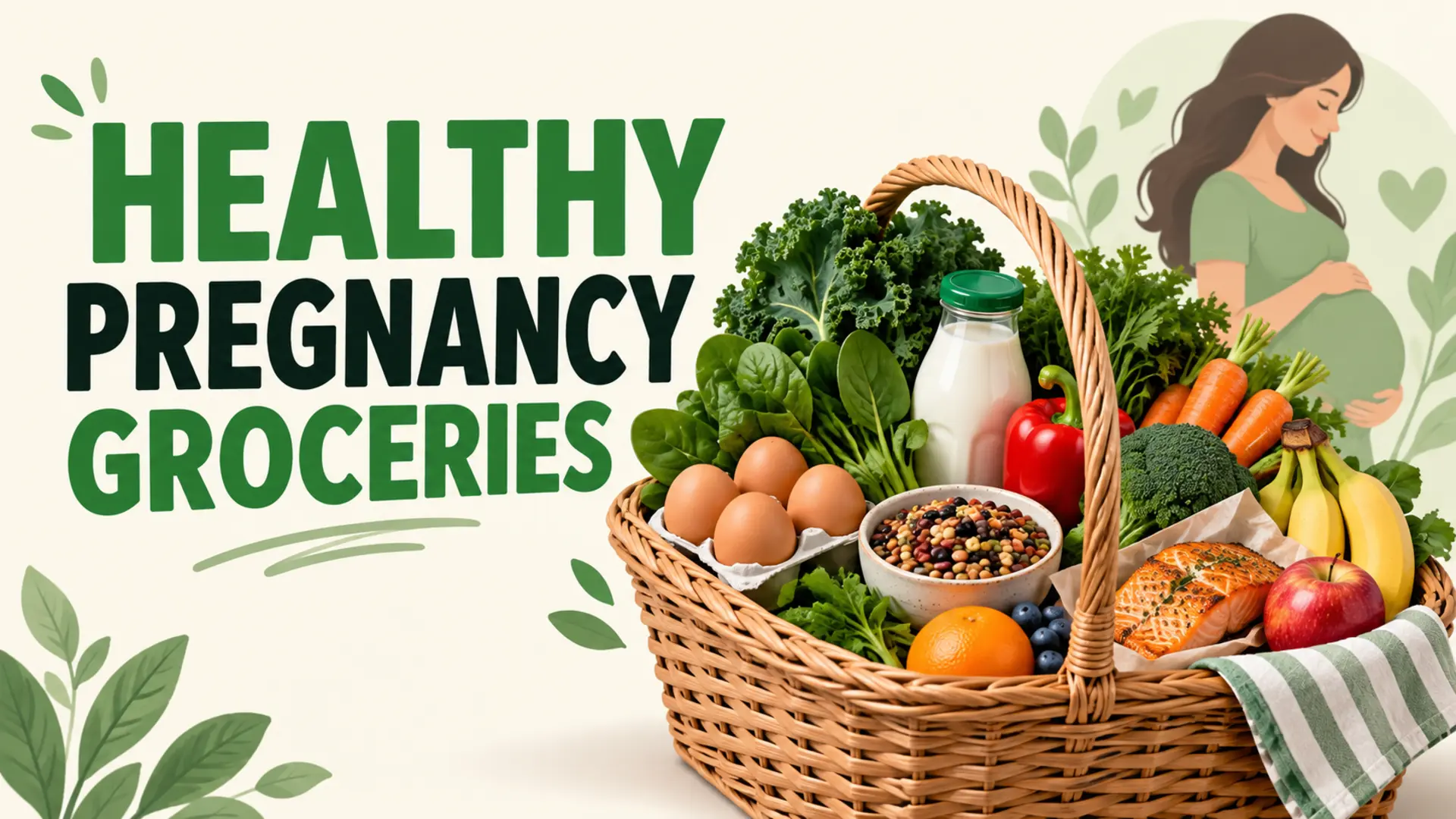
A healthy pregnancy grocery list should make everyday meals easier while supporting the advice you receive from your prenatal care professional. Rather than relying on a rigid trimester matrix, shop for varied foods you tolerate, can prepare safely, and genuinely enjoy.
Healthy pregnancy grocery list essentials
Build the list around vegetables and fruit, whole grains, protein foods, and pasteurized dairy or fortified alternatives. Individual needs vary, so ask a qualified healthcare professional about supplements, allergies, nausea, anemia, diabetes, or other medical concerns.
- Produce: leafy greens, carrots, peppers, berries, oranges, bananas, and frozen vegetables.
- Protein foods: eggs, beans, lentils, poultry, tofu, nut or seed butter, and lower-mercury fish.
- Grains: oats, whole-grain bread, brown rice, quinoa, and pasta.
- Dairy or alternatives: pasteurized milk, yogurt, cheese, or fortified plant beverages.
- Pantry basics: canned tomatoes, low-sodium beans, oils, herbs, and simple snacks.
Plan for changing appetite
Nausea, fatigue, heartburn, and food preferences can change throughout pregnancy. Keep a few mild, easy-to-prepare foods available, but avoid treating any one ingredient as a universal remedy. Smaller shopping trips or pickup may be useful when energy is limited.
Choose fish carefully
Fish can be part of a varied diet, but species and local guidance matter because mercury levels differ. Use the recommendations from your national food-safety authority and avoid raw or undercooked seafood. A heart-healthy grocery strategy can provide additional ideas for varied staples.
Use pregnancy food-safety basics
Choose pasteurized milk and cheese, cook meat, eggs, and seafood safely, wash produce under running water, prevent cross-contamination, and follow local advice for deli meats and refrigerated foods. Retain trusted guidance such as Canada’s healthy pregnancy guide, while following the rules that apply where you live.
Create simple meal combinations
- Oatmeal with fruit and yogurt.
- Lentil soup with whole-grain toast.
- Cooked salmon or tofu with rice and vegetables.
- Eggs with avocado and whole-grain bread.
- Bean and vegetable pasta with pasteurized cheese.
For easier weekly coordination, adapt the method in this flexible meal-planning guide.
Review before checkout
Check labels for allergens and pasteurization, buy quantities you can use safely, and choose frozen or canned produce when it reduces waste. A healthy pregnancy grocery list works best when it reflects professional guidance, food safety, budget, culture, and your changing appetite.
Frequently Asked Questions
What foods should be on a healthy pregnancy grocery list?
Build the list around vegetables and fruit, whole grains, protein foods, pasteurized dairy or suitable alternatives, and foods that provide iron, folate, calcium, iodine, choline, and other nutrients. Individual needs vary, so use guidance from the prenatal care team rather than a universal shopping matrix.
Do I need a prenatal vitamin if I eat a balanced diet?
Prenatal supplements are commonly recommended because pregnancy needs can be difficult to meet through food alone, particularly for folic acid and iron. The correct product and dose depend on health history, diet, and location. Confirm supplements with a qualified prenatal care professional.
Which foods should be avoided during pregnancy?
Guidance commonly addresses unpasteurized products, raw or undercooked animal foods, certain refrigerated ready-to-eat foods unless reheated, raw sprouts, and fish high in mercury. Rules vary by country and personal risk; follow current local public-health advice and the prenatal care team.
How should I choose fish during pregnancy?
Fish can provide protein and omega-3 fats, but mercury levels differ by species. Follow your country’s current advice on recommended choices, serving amounts, and fish to limit or avoid. Do not rely on a generic “safe fish” list that may not match local products.
How much caffeine is safe during pregnancy?
Recommended limits vary slightly by authority, and caffeine comes from coffee, tea, energy drinks, cola, chocolate, and some medicines. Ask the prenatal care professional which limit applies, then total all sources. Energy drinks may contain other ingredients not recommended during pregnancy.
How can I grocery shop when pregnancy nausea affects appetite?
Choose small amounts of tolerated foods, bland or cold options if helpful, and easy snacks that require little preparation. Keep fluids available and avoid buying a full week of foods that currently trigger nausea. Contact the care team if vomiting, dehydration, weight loss, or inability to eat is concerning.
Are deli meats safe during pregnancy?
Public-health authorities often recommend heating deli meats and similar refrigerated ready-to-eat foods until steaming to reduce Listeria risk. Product and regional guidance differs, so check current local advice. Store these foods cold and prevent their juices from contacting ready-to-eat items.
How do I read labels for pregnancy-safe groceries?
Check pasteurization, allergens, serving instructions, storage directions, supplement doses, caffeine, and preparation requirements. “Natural” or “healthy” does not establish pregnancy safety. Herbal products and concentrated supplements should be reviewed with a qualified professional before use.
What are easy pregnancy meal combinations?
Try simple combinations such as oatmeal with fruit and yogurt, eggs with toast and vegetables, bean-and-rice bowls, lentil soup with bread, or cooked fish with potatoes and greens. Adapt portion, texture, seasoning, and frequency to appetite, culture, allergies, and medical guidance.
Where can I find reliable pregnancy food guidance?
Use your national or provincial public-health authority and prenatal care team. The CDC pregnancy hub links to current pregnancy health information, but local food advisories and individualized clinical recommendations should take priority.