
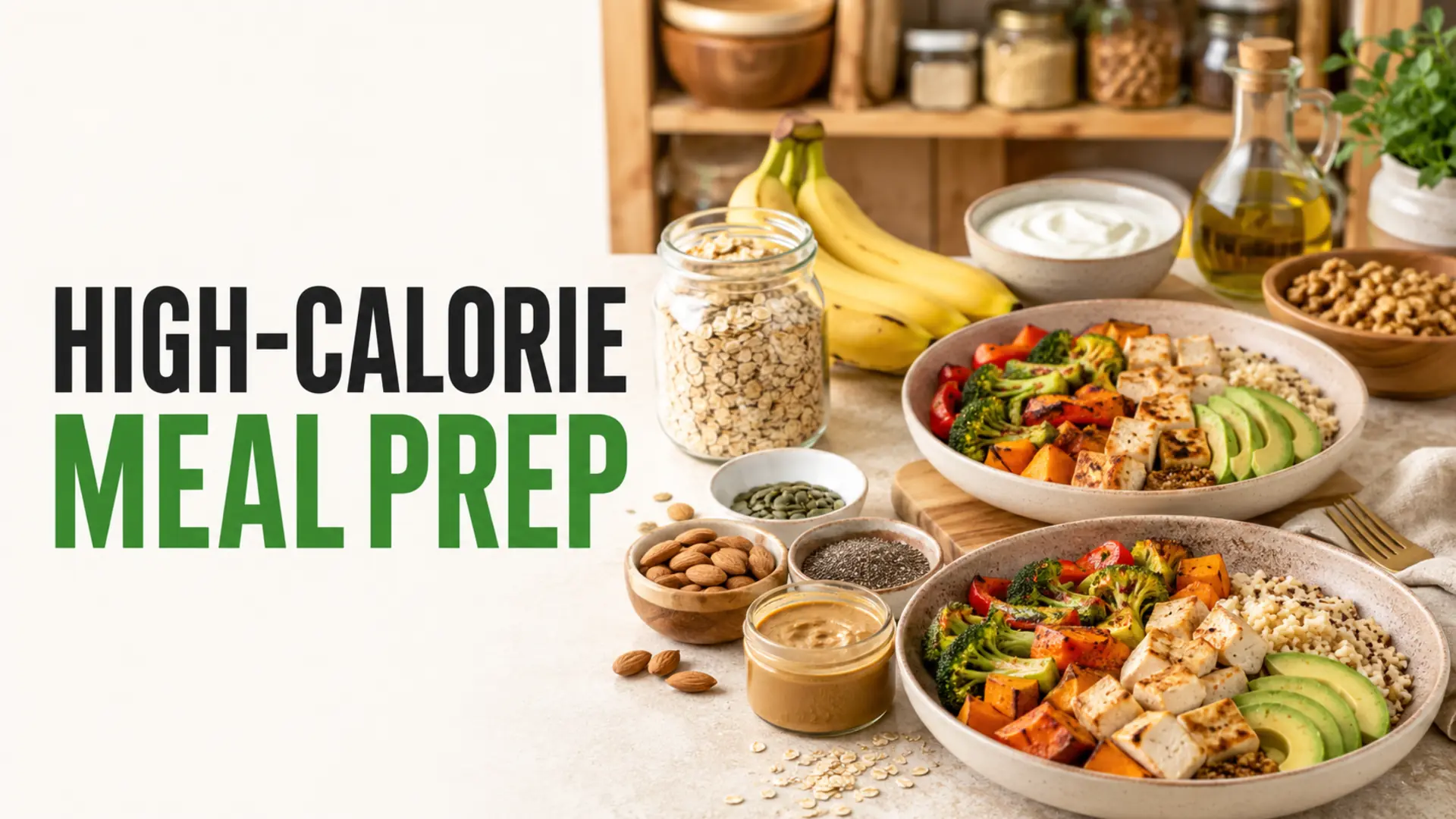
High-calorie meal prep for muscle building should provide enough energy to support training, recovery and gradual weight gain without relying on a universal calorie target. Individual needs vary with body size, age, training volume, current intake, goals, health conditions and appetite.
Resistance training provides the stimulus for muscle growth; food supports that work. A sports dietitian can help determine an appropriate energy surplus and protein intake, especially for competitive athletes, adolescents, people with medical conditions or anyone struggling with unintentional weight change.
Start high-calorie meal prep for muscle building with your baseline
Before adding large amounts of food, review a typical week of meals, training and body-weight trends. If weight and performance are stable but the goal is gradual gain, a qualified professional may suggest a modest adjustment and monitor the response. Research on intentional weight gain is less certain than many online “bulking” plans imply.
A fixed 3,200- or 3,500-calorie menu is not appropriate for everyone. It may be excessive for one person and insufficient for another. Increase portions or add snacks gradually, then assess energy, digestion, training performance and weight changes over time.
Build each meal from four useful components
- Protein: eggs, dairy or fortified alternatives, poultry, fish, meat, tofu, tempeh, beans or lentils.
- Carbohydrate: oats, rice, pasta, potatoes, bread, fruit or other grains.
- Vegetables or fruit: fresh, frozen or canned options that add variety and micronutrients.
- Energy-dense addition: nuts, seeds, nut or seed butter, avocado, olive oil, cheese or another suitable ingredient.
This structure is more adaptable than labelling foods “clean” or “dirty.” Total diet quality, adequate energy, training and consistency matter more than moral categories.
Choose practical protein foods
Protein needs depend on the individual and the overall diet. The International Society of Sports Nutrition position stand notes that regular protein intake can support training adaptation, but it does not justify unlimited intake or identical targets for everyone.
Choose several options so the menu is not built entirely around chicken breast or supplements:
- Eggs and egg dishes
- Greek yogurt, cottage cheese or suitable fortified alternatives
- Chicken, turkey, lean or higher-fat meat according to individual needs
- Fish and seafood
- Tofu, tempeh, beans and lentils
- Protein powder when useful, tolerated and appropriate—not as a requirement
The high-protein meal-prep plans provide additional combinations without treating one food as mandatory.
Add energy without making portions unmanageably large
People with limited appetite may find it easier to add modest amounts of energy-dense foods instead of dramatically increasing meal volume. Options include:
- Olive oil or another suitable oil added to grains and vegetables
- Nut or seed butter stirred into oats, yogurt or smoothies
- Nuts and seeds used as toppings
- Avocado added to bowls, sandwiches or wraps
- Cheese or fortified dairy alternatives when appropriate
- Dried fruit combined with nuts or yogurt
These foods are energy dense, so measure portions when consistency matters. Exact calorie and protein values vary by product and serving size; use the nutrition label rather than memorized universal figures.
Keep carbohydrates in the plan
Carbohydrate foods help supply energy for training and can make high-calorie eating more practical. Rice, oats, pasta, potatoes, bread, fruit and other grains can be matched to preferences and tolerance.
Prepare one or two carbohydrate bases in batches, then vary sauces, proteins and vegetables. This reduces cooking effort while allowing portions to change between lighter and heavier training days.
Four adaptable high-calorie meal-prep combinations
Oats with yogurt, fruit and nut butter
Combine oats with milk or a fortified alternative, yogurt, banana or berries, and nut or seed butter. Adjust the amount and texture to appetite. Protein powder is optional if the rest of the day does not meet an individualized plan.
Rice bowl with protein and avocado
Use rice or another grain with chicken, tofu, beans or fish, plus vegetables, avocado and a dressing. Increase energy through the grain, oil, avocado or protein portion rather than automatically doubling everything.
Pasta with meat, lentil or tofu sauce
Pair pasta with a tomato-based sauce and a chosen protein. Add vegetables and an appropriate topping such as olive oil or cheese. This format scales easily for different household members.
Potato tray with eggs or fish
Roast potatoes and vegetables, then pair them with eggs, salmon or another protein. Add a sauce or side according to the desired energy level.
Use smoothies as an optional tool
A smoothie can help when drinking is more comfortable than eating another full meal. Combine milk or a fortified alternative with fruit, oats, yogurt, nut or seed butter, and optional protein powder.
Start with a manageable portion. Large shakes containing many concentrated ingredients can cause discomfort for some people and may displace regular meals. The smoothie preparation guide covers ingredient preparation and freezing.
Create a focused grocery list
Protein options
- Eggs
- Yogurt or a fortified alternative
- Chicken, fish, tofu or another main protein
- Beans or lentils
Carbohydrate options
- Oats
- Rice or another grain
- Pasta or bread
- Potatoes or sweet potatoes
- Fruit
Energy-dense additions
- Olive oil
- Nut or seed butter
- Nuts or seeds
- Avocado
- Cheese or suitable alternative
Produce and flavour
- Two or three vegetables
- Fresh or frozen fruit
- Herbs, spices and preferred sauces
Buy quantities based on the actual meal schedule and storage space. The macro-friendly meal-prep guide explains how to divide mixed batches without pretending every portion is identical.
Prepare components in a sensible order
- Cook grains or potatoes according to package or recipe directions.
- Prepare proteins using separate utensils and safe handling.
- Roast, steam or sauté vegetables.
- Portion sauces and energy-dense additions separately when useful.
- Cool cooked food promptly in suitable shallow containers.
- Label meals and freeze portions that will not be used within safe refrigeration guidance.
Include produce and whole-grain options as tolerated rather than pursuing calories alone. The high-fibre meal-prep guide can help add variety gradually.
Avoid common muscle-building meal-prep mistakes
- Following another person’s calorie target without assessment
- Relying on shakes while neglecting regular meals
- Treating supplements as mandatory
- Increasing fibre or food volume too quickly
- Using “clean bulking” language that encourages rigid food rules
- Assuming dietary cholesterol or a single food will raise testosterone
- Ignoring sleep, training quality and recovery
Persistent digestive symptoms, rapid weight changes, fatigue or difficulty eating enough deserve professional evaluation rather than more aggressive self-directed intake.
Cook, cool and store meals safely
Use a food thermometer for meat, poultry, fish, eggs and reheated leftovers. Safe minimum temperatures vary by food. Prevent cross-contamination by separating raw animal products from ready-to-eat foods and using clean hands, utensils and surfaces.
Refrigerate prepared foods promptly and follow authoritative cold-storage guidance. Do not leave large batches at room temperature to cool for an extended period.
Make the plan progressive and personal
High-calorie meal prep for muscle building is most useful when it supports a well-designed resistance-training program and an individualized nutrition target. Build meals from protein, carbohydrates, produce and measured energy-dense additions, then adjust gradually based on real outcomes.
For further reading, see the American College of Sports Medicine discussion of healthy athletic weight gain, the published sports-nutrition protein position stand, current FoodSafety.gov cooking temperatures and Canada’s Food Guide as one optional balanced-eating reference alongside guidance for your country.