
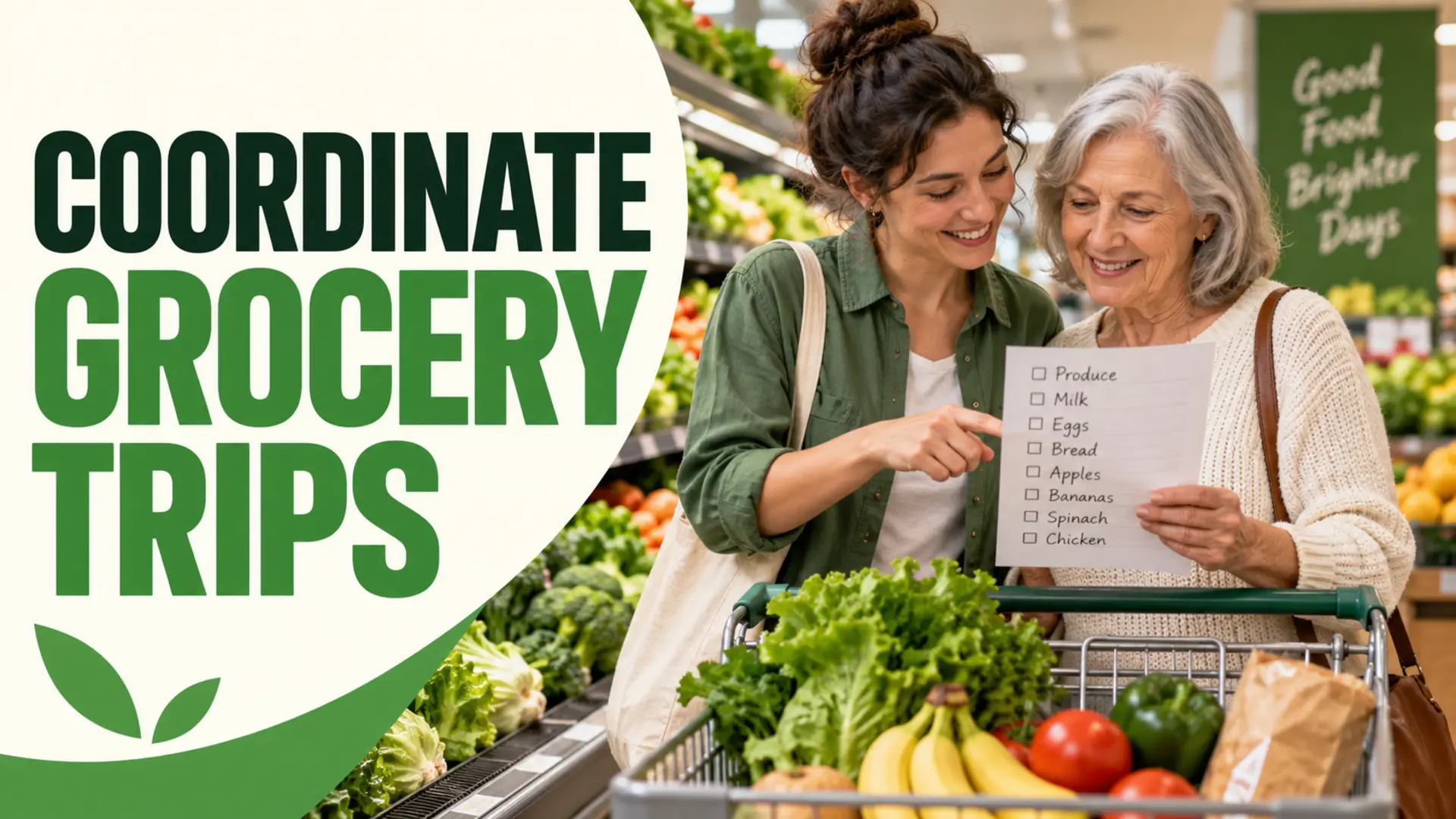
To coordinate grocery trips with a babysitter or nanny, agree on the list, budget, substitutions, payment method, and childcare responsibilities before anyone goes to the store. A simple written process reduces guesswork without relying on unsupported app features or rigid spending rules.
Coordinate grocery trips with a babysitter clearly
Decide whether grocery shopping is part of the caregiver’s paid duties and whether it happens with or without the children. Confirm transportation, working hours, reimbursement, and what to do if the store is out of an item.
Write a complete grocery list
- Use clear item names and practical quantities.
- Add acceptable substitutions or mark “no substitute.”
- Note essential brand requirements only when they matter.
- Separate urgent items from optional purchases.
- Include allergy instructions prominently.
The same principles used to coordinate grocery trips between roommates can be adapted for a caregiver.
Set a payment and receipt process
Choose a method both parties understand: advance cash, a household card, reimbursement, or an approved digital payment. Do not expect a caregiver to use personal funds without prior agreement. Set a realistic spending limit based on the actual list and local prices, then keep receipts.
Protect allergy and dietary requirements
Provide written allergen information, explain cross-contact concerns, and identify acceptable substitutes. Product recipes can change, so labels should be checked on every purchase. For a fuller household system, read this guide to managing food allergies at home.
Plan shopping with children safely
If children accompany the caregiver, discuss car seats, supervision, parking-lot safety, store behavior, and what happens if a child becomes distressed. Grocery shopping should not conflict with attentive childcare or the caregiver’s agreed responsibilities.
Create simple handoffs
Before the trip, confirm priorities and substitutions. During the trip, reserve messages for genuine questions. Afterward, review the receipt, store cold food promptly, and add unavailable essentials back to the list.
Review the arrangement respectfully
After the first few trips, ask what information was missing and simplify the workflow. The shared chore and grocery workflow offers a useful structure for ownership and handoffs.
A clear agreement makes it easier to coordinate grocery trips with a babysitter or nanny while respecting the caregiver’s time, household safety, and the family’s budget.
Frequently Asked Questions
Should grocery shopping be part of a babysitter or nanny’s duties?
Only if it is discussed and agreed in advance, fits the paid role and hours, and does not compromise child supervision. Clarify transportation, mileage, payment, receipts, lifting, and whether children will accompany the caregiver. Employment rules and insurance requirements vary by location.
What information should a caregiver’s grocery list include?
List the exact item, quantity, acceptable size or brand, maximum price where relevant, and approved substitutes. Mark allergy, medical, or recipe-critical products as “do not substitute.” Group items by store section and provide a contact method for unexpected decisions.
How should payment for caregiver grocery trips work?
Agree on cash, prepaid card, household card, or reimbursement before the trip. Set a spending ceiling, explain loyalty cards and fees, and require an itemized receipt. Never expect a caregiver to use personal money without explicit consent and a prompt reimbursement process.
How should families handle mileage and travel time?
State whether shopping time is paid, whose vehicle is used, how mileage, parking, tolls, or transit are reimbursed, and what insurance permits. Record the agreement in writing. Local employment standards may govern compensation, so check the rules that apply to the working arrangement.
Can a babysitter shop while caring for children?
That depends on the caregiver’s agreement, the children’s ages and needs, transportation, car-seat availability, store conditions, and supervision requirements. The family should not assume shopping with children is a minor add-on. A child-safety plan must come before completing the list.
How can a caregiver safely shop for a child with food allergies?
Provide a written safe-products list, label-reading rules, prohibited substitutions, cross-contact instructions, and the child’s emergency plan. The caregiver should check every package each time and contact the parent when uncertain. Marketing terms alone do not confirm suitability for a specific allergy.
What should a nanny do when an item is out of stock?
Follow the household’s substitution order: approved alternative, same product in another size within the limit, message the parent, or skip it. Allergy-sensitive, medical, infant-feeding, and recipe-critical products should not be guessed. A clear rule prevents pressure to make unsafe decisions.
How can families protect privacy when sharing grocery access?
Share only information needed for the task, use a household list rather than a personal account where possible, and avoid exposing unrelated payment or order history. Remove access when duties change. Both family and caregiver should understand who can view and edit the list.
What should happen when the caregiver returns with groceries?
Refrigerate or freeze perishables promptly, review substitutions and missing items, save the receipt, return payment materials, and update the shared list. Discuss problems respectfully after urgent food storage and child needs are handled. The handoff should be part of paid working time.
How often should the grocery arrangement be reviewed?
Review after the first few trips and whenever schedules, children’s needs, allergies, stores, or payment methods change. Ask whether the time estimate and instructions are realistic. A respectful adjustment process prevents grocery errands from quietly expanding beyond the agreed caregiver role.