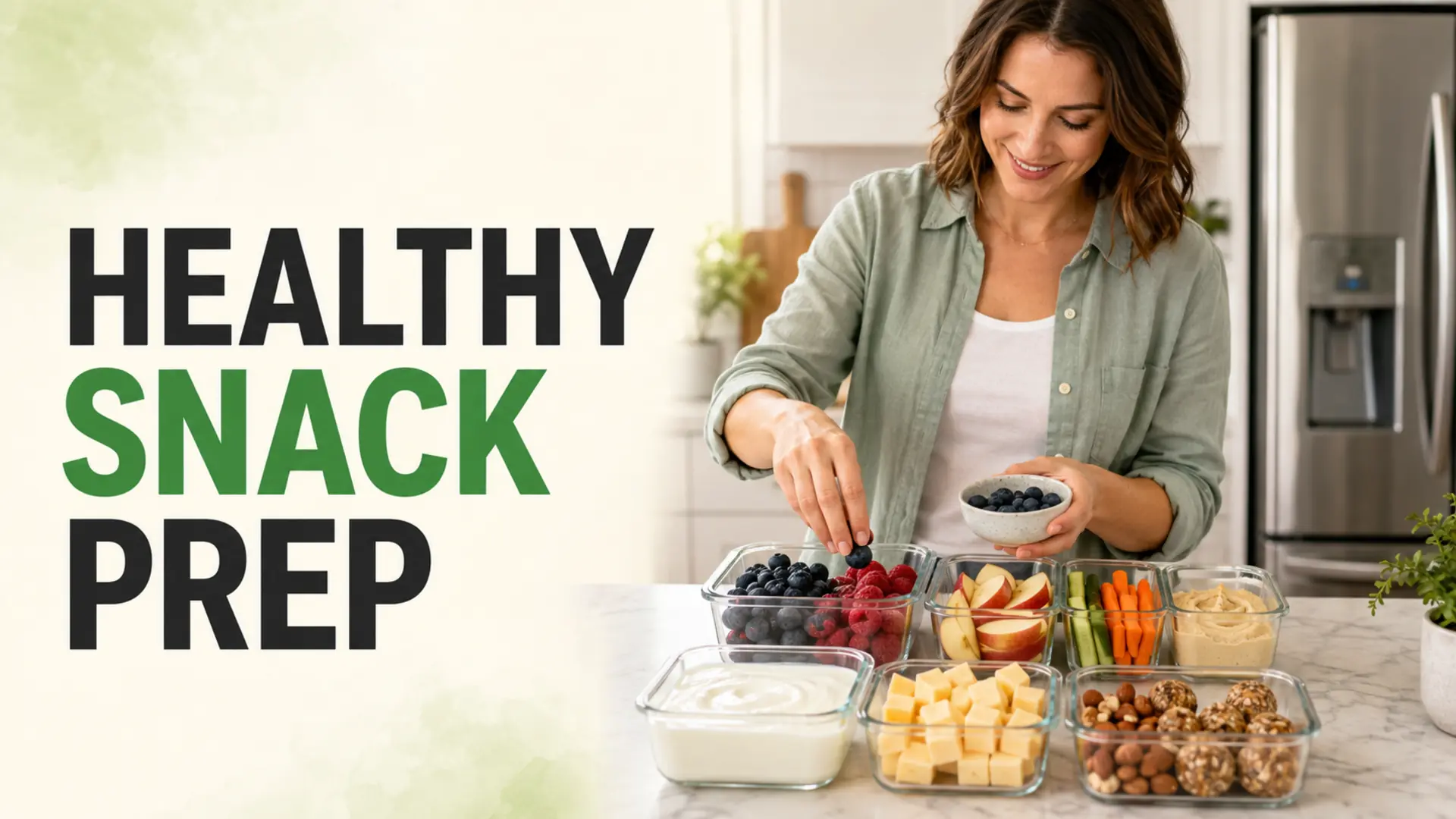
Healthy snack prep can make convenient food easier to reach, but it does not require rigid calorie packs, premium containers, or buying everything in wholesale quantities. Start with snacks your household already enjoys, compare unit prices, portion only what will stay fresh, and store each food safely.
The goal is a flexible selection that fits different appetites and schedules. Nutrition needs vary by age, activity, health conditions, culture, and personal preference, so treat the combinations below as adaptable ideas rather than universal serving prescriptions.
Plan healthy snack prep before buying in bulk
Bulk packages can lower the unit price, but only when the food will be eaten before quality declines. Check pantry and refrigerator space, compare the price per unit, and estimate realistic weekly use. A larger package that becomes stale or spoiled is not a bargain.
- List the snacks your household chooses consistently.
- Note which foods need refrigeration and which are shelf-stable.
- Check allergies, school or workplace rules, and dietary requirements.
- Estimate quantities from actual use rather than an idealized plan.
- Leave room for variety so the same snack is not repeated every day.
For a broader purchasing framework, see how to approach bulk buying without wasting food.
A flexible snack-building formula
Many people find a snack more satisfying when it combines two food types instead of relying on one small item. Choose a produce item or whole-grain food, then add a protein- or fat-containing option when appropriate. The exact amount should reflect the person, the time until the next meal, and the purpose of the snack.
- Fruit with yogurt, cheese, nuts, seeds, or a seed butter
- Vegetable sticks with hummus, bean dip, or yogurt-based dip
- Whole-grain crackers with cheese, tuna, egg, or mashed beans
- Oats combined with fruit, nuts, seeds, or yogurt
- Toast with avocado, nut butter, egg, or cottage cheese
People with food allergies should check labels and prevent cross-contact. Whole nuts, spoonfuls of nut butter, hard raw vegetable pieces, and other foods can also be choking hazards for young children; use age-appropriate preparation and professional guidance.
10 practical snacks to prepare
1. Fruit and yogurt
Wash whole fruit just before preparation, dry it well, and pair it with plain or flavoured yogurt that suits your needs. Keep yogurt refrigerated and transport it in an insulated bag with a cold source when it will be away from refrigeration.
2. Vegetables and hummus
Carrots, cucumber, peppers, snap peas, and celery can be portioned with hummus or another dip. Prepare only a manageable quantity because cut produce loses quality faster than whole vegetables.
3. Trail mix
Combine unsalted or lightly salted nuts, seeds, dried fruit, and an optional small amount of another preferred ingredient. Store the main mixture in an airtight container and portion a few servings at a time. Adjust for allergies and avoid whole nuts for young children.
4. Cheese and fruit
Pair cheese cubes or slices with grapes, berries, pear, or apple. Cut grapes appropriately for young children. To maintain quality, prepare apple or pear close to serving or use a little citrus juice if the flavour works for you.
5. Hard-cooked eggs and vegetables
Cook eggs fully, cool them promptly, and refrigerate them. FoodSafety.gov’s cold-storage chart provides current storage guidance for eggs and other refrigerated foods.
6. Oat bites or bars
Use a tested recipe based on oats, nut or seed butter, and other preferred ingredients. Consider refrigeration requirements and allergen labelling, especially when snacks are shared outside the home. Homemade does not automatically mean nutritionally superior; ingredients and portions still matter.
7. Whole-grain crackers and a spread
Keep crackers dry and pack hummus, bean spread, tuna, or another refrigerated topping separately. Combine them when eating so the crackers do not soften during storage.
8. Cottage cheese or yogurt cups
Portion into clean, leak-resistant containers and add fruit, herbs, or vegetables shortly before eating. Keep dairy products cold and follow the manufacturer’s date and storage instructions.
9. Roasted chickpeas
Roasted chickpeas can be seasoned in different ways and stored once fully cooled. Texture changes with humidity, so make smaller batches until you know how quickly your household uses them.
10. Simple snack boxes
Combine two or three prepared components such as fruit, vegetables, cheese, eggs, hummus, crackers, or nuts. Keep moist foods separate from dry ones and use a container that closes securely.
Wash and prepare produce safely
The FDA recommends rinsing fresh fruit and vegetables under running water, including produce with skins or rinds that will not be eaten. Firm produce can be scrubbed with a clean produce brush. Soap, detergent, and commercial produce washes are not recommended for washing produce.
Use clean hands, utensils, cutting boards, and containers. Keep produce separate from raw meat, poultry, seafood, and eggs during shopping, storage, and preparation. Review the FDA’s current safe food-handling guidance for detailed steps.
Choose containers without overbuying equipment
Use food-safe containers you already own before buying a specialized set. Match the container to the food: airtight jars for dry mixtures, leak-resistant tubs for dips, divided containers when moisture must be separated, and insulated bags with cold sources for perishable snacks in transit.
Label foods when multiple batches or household members are involved. A preparation date can help you rotate foods, but it does not replace product instructions or authoritative storage guidance.
Create a snack-prep shopping list
- Fresh produce: choose two or three fruits and vegetables.
- Protein options: eggs, yogurt, cheese, hummus, beans, nuts, or seeds as appropriate.
- Grains: oats, whole-grain crackers, or bread.
- Flavour additions: herbs, spices, citrus, or preferred dips.
- Storage supplies: add only items you genuinely lack.
A reusable weekly shopping template makes it easier to repeat reliable snack categories without buying the same quantities automatically. For more plant-based options, browse our vegetarian meal-prep staples.
Reduce waste as the week changes
Prep the most perishable snacks in smaller amounts and keep durable ingredients unportioned until needed. Freeze suitable ingredients when plans change, rotate older items forward, and use ripe fruit in oatmeal or smoothies. The EPA’s food-waste prevention guidance recommends planning, storing food properly, and using what you already have.
Conclusion
Healthy snack prep works best when it is based on real preferences, safe storage, and flexible quantities. Plan a few combinations, buy larger packages only when the value and likely use make sense, prepare produce carefully, and portion enough for the next few days rather than forcing a fixed weekly routine. The result is convenient food that supports your household without rigid rules or preventable waste.