
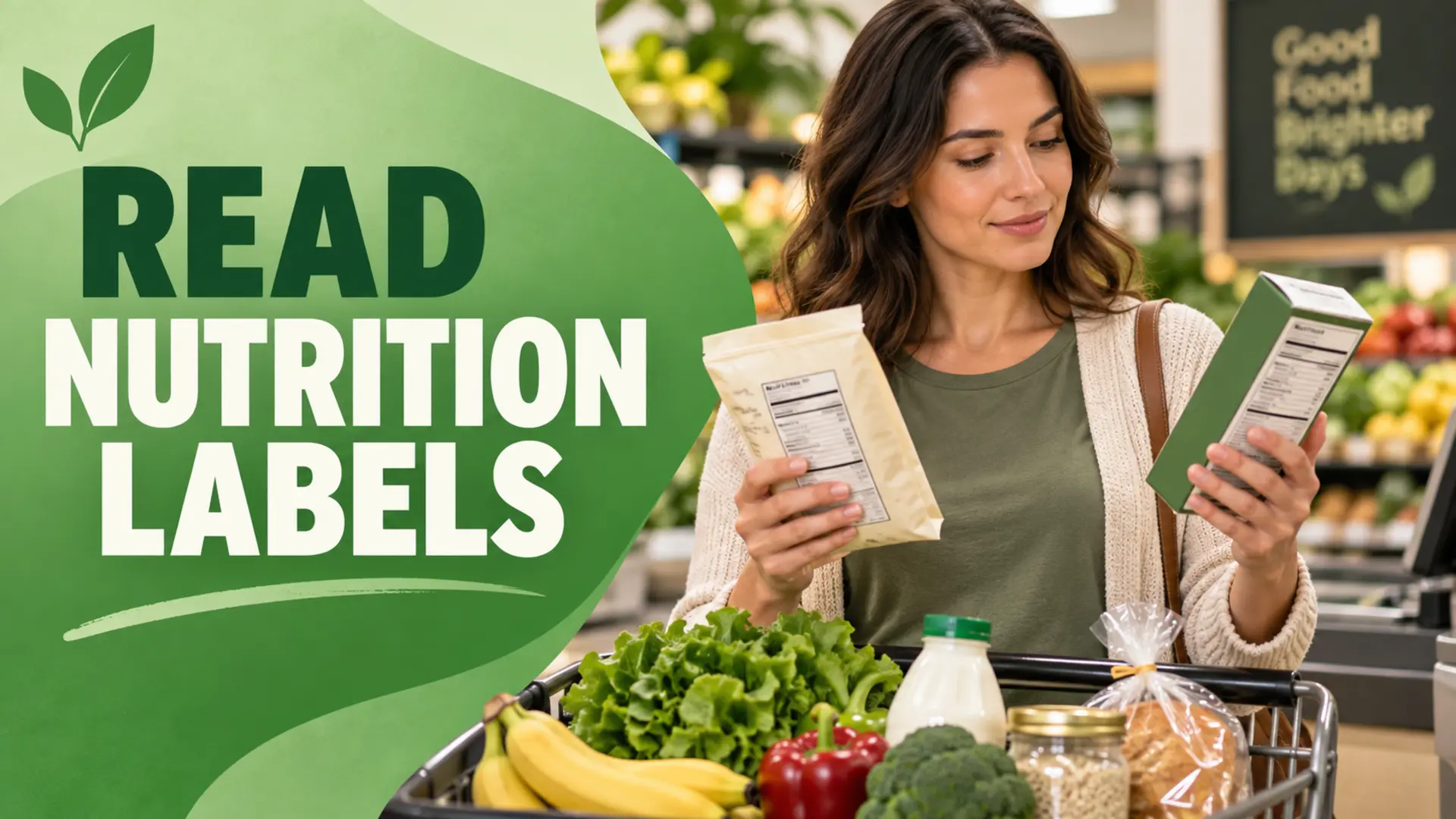
Learning how to read nutrition labels helps you compare products based on your own needs instead of relying on front-of-package impressions. Formats and legal requirements differ by country, so use the panel as a comparison tool rather than a universal scorecard.
How to read nutrition labels step by step
- Start with serving size. Check whether the package contains one serving or several and compare equivalent amounts.
- Review nutrients relevant to you. These may include carbohydrate, fibre, added sugars where listed, saturated fat, sodium, protein, or specific vitamins and minerals.
- Read the ingredients. They are generally listed by weight, from most to least.
- Check allergens. Follow local allergen statements and contact the manufacturer when safety information is unclear.
Compare similar foods fairly
Compare breads with breads or yogurts with yogurts, using the same weight or volume. A single nutrient rarely tells the whole story. Consider taste, price, accessibility, dietary needs, preparation, and how the food fits the meal.
Understand common claims
Terms such as “natural,” “wholegrain,” “low fat,” “no added sugar,” and “gluten-free” have different definitions or requirements depending on location. Gluten-free is essential information for people with coeliac disease, not a general measure of nutritional quality. Claims on the front should be checked against the full label.
Avoid oversimplified rules
Ingredient count does not determine whether a food is nutritious, and unfamiliar names are not automatically harmful. Fibre-to-carbohydrate ratios can be one comparison point for grain products but are not a universal rule. Sodium and potassium needs also vary, especially with kidney, heart, or blood-pressure conditions.
Make a quick checkout decision
- Does the serving size match how you will use it?
- Does it meet any allergy or medical requirement?
- How does it compare with a similar option?
- Will your household enjoy and finish it?
See our hidden added sugars guide for a focused label example and the one-stop versus specialty-store guide for broader shopping comparisons.
Conclusion
Knowing how to read nutrition labels means using serving size, nutrients, ingredients, and allergen information together. Compare like with like and prioritize the details that matter to your household.