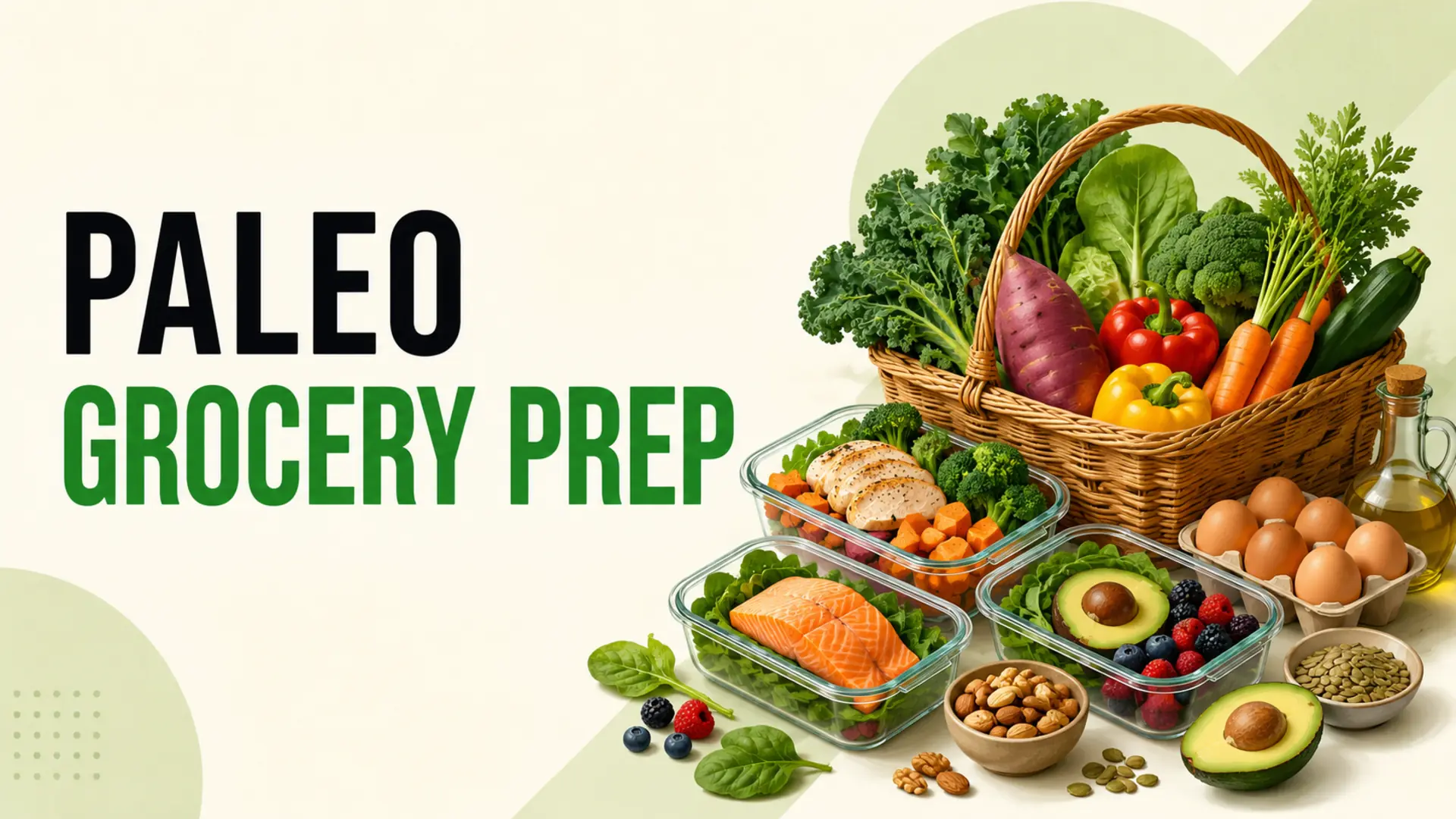
Paleo grocery prep generally emphasizes vegetables, fruit, eggs, meat, seafood, nuts, seeds and selected fats while limiting or excluding grains, legumes, most dairy products and highly processed foods. There is no single universally accepted paleo rulebook, so lists vary on potatoes, dairy, oils, sweeteners and other ingredients.
This guide focuses on practical shopping and meal preparation, not claims about “ancestral perfection,” inflammation, detoxification or guaranteed health results. Because the eating pattern removes several food groups, anyone considering it long term—especially during pregnancy, childhood, older age or treatment for a medical condition—should discuss nutritional adequacy with a qualified clinician or dietitian.
Define your version of paleo grocery prep first
Before shopping, decide which foods you intend to include. A flexible personal definition prevents confusion in the supermarket and reduces purchases that do not fit your plan.
- Will you include white potatoes as well as sweet potatoes?
- Will you use clarified butter or avoid dairy entirely?
- Which cooking oils fit your preferences and budget?
- Are minimally processed frozen or canned foods acceptable?
- How will you replace nutrients normally supplied by excluded grains, legumes or dairy?
A restrictive plan is not automatically more nutritious. Focus on variety, reasonable portions and foods you can obtain and prepare consistently.
Build a practical paleo shopping list
Vegetables
Choose a mix of leafy greens, cruciferous vegetables, roots and colourful produce. Examples include spinach, cabbage, broccoli, cauliflower, carrots, squash, peppers, mushrooms and sweet potatoes. Frozen vegetables without unwanted sauces can be convenient and reduce preparation work.
Fruit
Apples, citrus, berries, bananas, melons and seasonal fruit can support breakfasts, snacks and sauces. Buy quantities that match how quickly your household uses them. The guide to planning meals around seasonal produce can help with local substitutions.
Protein foods
Eggs, poultry, meat and seafood are common choices. Select cuts that suit your budget and cooking methods rather than assuming grass-fed, pasture-raised or wild products are mandatory. Frozen fish and poultry can be practical options when stored and cooked correctly.
Nuts and seeds
Almonds, walnuts, pumpkin seeds, chia seeds and other choices add texture and can be used in snacks or toppings. Check for allergies and compare serving sizes, prices and added ingredients. Peanuts are legumes and are commonly excluded from paleo lists, although personal versions differ.
Fats, seasonings and flavour builders
Olive oil, avocado oil and other chosen cooking fats can accompany herbs, spices, garlic, citrus and vinegar. Read labels on sauces and condiments rather than assuming a “paleo” marketing label makes a product necessary or nutritionally superior.
Foods commonly limited—and what to consider
Many paleo approaches exclude grains, legumes and most dairy foods. These groups can provide fibre, calcium, iodine, B vitamins and other nutrients, depending on the foods normally eaten. Removing them requires thoughtful replacements rather than simply increasing meat.
Some versions also exclude refined sugar and highly processed snack foods. Reducing foods high in added sugar or sodium can be done without buying expensive paleo-branded products. Plain frozen vegetables, eggs, canned fish and familiar produce may be more useful than speciality snacks.
Evidence about long-term benefits and risks remains limited, and studies use different versions of the diet. Research has also raised concerns about micronutrient adequacy in some carbohydrate-restricted patterns. Personal medical advice matters more than broad online claims.
Use a simple meal-building formula
For each planned meal, select:
- One substantial vegetable or root
- One additional vegetable or fruit
- One protein option
- One chosen fat or sauce
- Herbs, spices or acidity for flavour
This formula creates variety without requiring a different shopping list for every recipe. It also makes substitutions easier when an ingredient is unavailable.
Four adaptable paleo meal-prep ideas
Sheet-pan chicken and vegetables
Combine chicken with sweet potato, broccoli or another sturdy vegetable, oil and herbs. Cut ingredients appropriately and verify doneness with a food thermometer. The five-ingredient sheet-pan framework offers additional planning ideas.
Salmon, greens and roasted roots
Pair salmon or another fish with leafy greens and roasted carrots, beets or sweet potato. Use frozen fish when convenient and follow safe thawing and cooking instructions.
Egg and vegetable breakfast boxes
Prepare cooked eggs with roasted vegetables, fruit and an optional portion of nuts or seeds. Keep chilled foods refrigerated and adjust ingredients for allergies.
Turkey or beef vegetable bowls
Use safely cooked ground meat with cauliflower, cabbage, peppers, salsa or avocado. Leaner or higher-fat choices can be selected according to personal needs and professional advice.
Prep components instead of identical meals
Cooking a few interchangeable components creates more flexibility than assembling the same container repeatedly. A session might include:
- One cooked protein
- Two roasted or steamed vegetables
- Washed fruit
- A sauce or dressing
- Raw vegetables reserved for later cooking
Store foods separately when their textures or storage needs differ. Use the refrigerator inventory to decide what should be eaten first; this fridge-first meal-planning guide provides a repeatable workflow.
Keep the grocery budget realistic
Paleo grocery prep does not require bison, premium steaks, wild seafood at every meal or speciality-labelled snacks. Compare unit prices and use a mix of eggs, economical cuts, frozen seafood, seasonal produce and leftovers that fit your version of the plan.
Plan ingredient overlap. Cabbage can become slaw, a skillet vegetable or a soup ingredient. Roast chicken can support a dinner, salad and vegetable bowl. Freeze appropriate portions before quality declines.
Check labels without using rigid food rules
Packaged foods can still be useful. Check ingredient lists for allergens and the features important to you, such as added sugar or sodium. Avoid moral labels such as “clean” and “toxic”; they do not explain whether a food fits an individual’s medical, cultural or nutritional needs.
If a less restrictive whole-food approach suits you better, compare this plan with the Mediterranean meal-prep grocery guide.
Cook and store animal proteins safely
Keep raw meat, poultry, seafood and eggs separate from ready-to-eat produce. Wash hands and surfaces, avoid rinsing raw poultry, and use a food thermometer. Safe internal temperatures differ by food: follow the current official chart and product-specific instructions rather than relying on colour or a universal cooking time.
Refrigerate prepared meals promptly in suitable containers. Label them when helpful, and use authoritative cold-storage guidance for the specific ingredient.
A balanced plan is more useful than a perfect label
Paleo grocery prep can be organized around vegetables, fruit, suitable proteins and simple flavour builders without expensive branding or exaggerated promises. Define your version, plan nutritional replacements carefully and keep the list flexible enough to match real availability and household preferences.
For additional context, review the published research on micronutrients in carbohydrate-restricted diets, current FoodSafety.gov cooking temperatures and Canada’s Food Guide as one optional balanced-eating reference alongside guidance for your country.